Guitars & Bass Hands-on review
Gibson Les Paul R8 review: what a Custom Shop ’58 reissue is like after years at home
We’ve owned this R8 since 2013. Here’s what it does better than any other guitar we own, what still bugs us, and who should spend their money elsewhere.

What we like
- The clean sound in the middle position (both pickups) is dreamy.
- The neck pickup is fat and round.
- Custom Shop build: hide-glue neck joint, long tenon and a one-piece rosewood board on 2013 models.
What to know
- The ’58 neck is chunky. Great if you like a full grip, tiring if you’re used to slim necks.
- Vintage-voiced pickups: not the right tool for modern high-gain metal.
- It costs roughly twice as much as a Les Paul Standard ’60s.
Why we bought it, and why we kept it
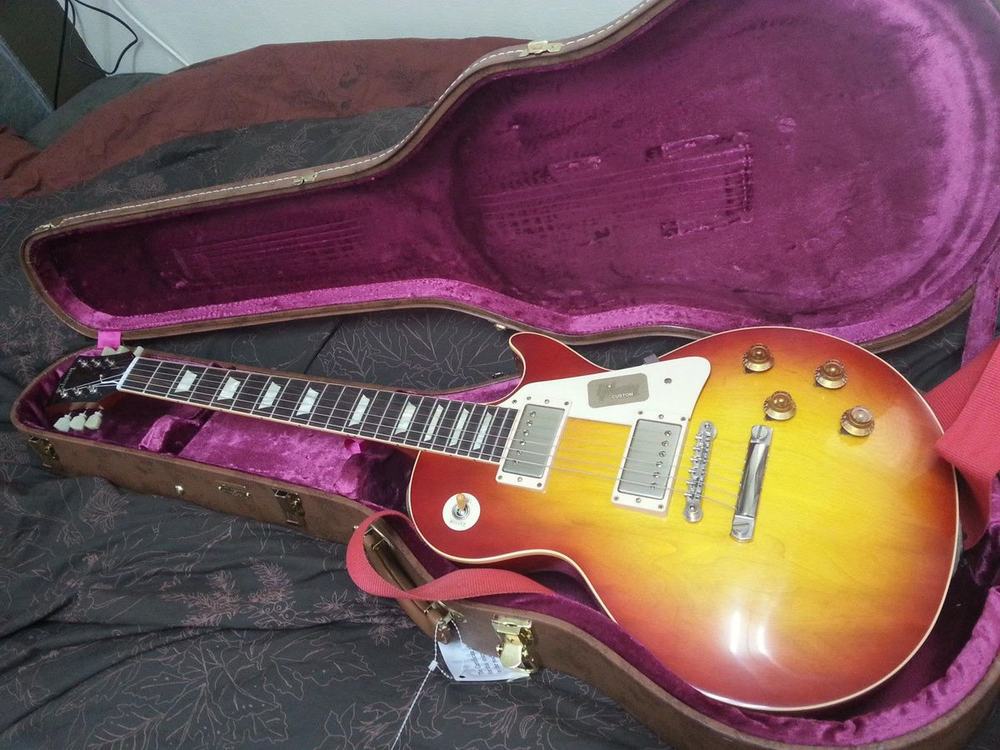
We bought our R8 in 2013. That year matters: Gibson Custom introduced its 20th Anniversary specifications for 2013, with a hide-glue neck joint, a one-piece rosewood fingerboard and Kluson-style tuners, and those details have made 2013–2014 R8s sought after ever since.
More than a decade later it’s still in our collection, and the sound demos on this page were filmed with it at home.
How it sounds
The highlight for us is the middle position on a clean amp. With both pickups on, the R8 gets a dreamy, open clean sound. It’s the sound we keep coming back to.
Switch to the neck pickup and it turns fat and round, the classic Les Paul lead sound. The unpotted Custombuckers are vintage-voiced, so they aren’t built for tight, modern high-gain.
How it feels to play
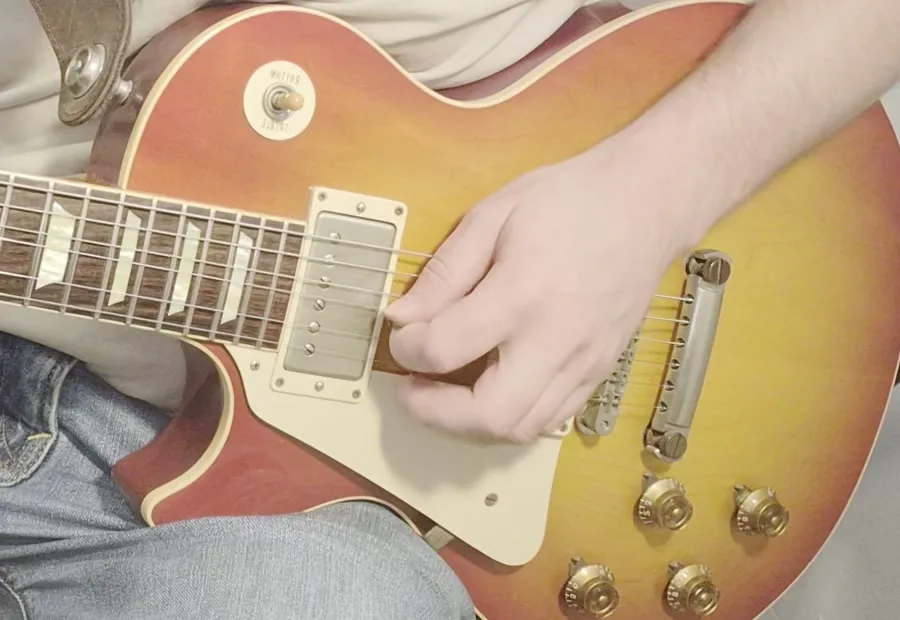
The ’58 neck is the big talking point. It’s a rounded, chunky carve, around 0.9" deep at the first fret on many examples, compared with roughly 0.8" on Gibson’s SlimTaper necks. Ours feels a bit fat. If you have big hands or play mostly chords, you may love it. If you grew up on slim, fast necks, try one before you buy.
Like most Les Pauls it’s a solid, heavy guitar. The R8 has no weight relief; R8s we’ve seen listed usually weigh around 8–9 lb, depending on the piece of mahogany.
R8 vs Les Paul Standard ’60s
| R8 | Les Paul Standard ’60s | |
|---|---|---|
| Made by | Gibson Custom Shop (Historic line) | Gibson USA (Original Collection) |
| Neck | Chunky ’58 rounded profile | SlimTaper (thinner, faster feel) |
| Pickups | Custombucker Alnico III, unpotted, vintage output | 60s Burstbuckers |
| Top | Plain maple (the 1958 look) | Figured maple |
| Construction | Hide-glue fit, long tenon, no weight relief | Standard production build |
| Price (new) | $5,299–$6,799 | $2,600–$2,900 (typical street price) |
The Standard ’60s gets you most of the Les Paul sound for about half the money, with a slimmer neck many players find easier. The R8 is for players who want the vintage feel and construction specifically, and who will notice the difference every time they pick it up. If you aren’t sure which camp you’re in, start with the Standard.
Who should skip it
You’re a beginner, you want a modern high-gain sound, or you prefer a slim neck. The R8 rewards players who already know exactly what they want from a Les Paul.
FAQ
What does R8 mean?
R8 is shorthand for Gibson Custom Shop’s 1958 Les Paul Standard Reissue. The R9 is the 1959 reissue; the main difference today is the neck profile (the ’59 is slimmer) and the top (the R8 usually has a plain maple top).
Is the Gibson R8 worth it over a Les Paul Standard?
Only if you specifically want the vintage neck, the Custom Shop construction and the vintage-voiced pickups. For most players a Les Paul Standard ’50s or ’60s is the better value.
Is the R8 good for beginners?
No. It’s an expensive, heavy guitar with a chunky neck. A beginner will get much more from a good guitar under $500 and lessons.
Is the R8 neck big?
Yes. The ’58 profile is one of the chunkier Les Paul necks. Ours feels a bit fat. Try one in person if you prefer slim necks.
Can the R8 do modern high-gain?
Not really. Its pickups are vintage-voiced. It does classic rock crunch beautifully, but for modern metal a guitar with hotter pickups suits better.
How we reviewed it and sources
This is a hands-on review: we own this guitar and have played it since 2013. Sound and feel notes are ours. Prices and specifications come from the sources below.